
Why Dr. Niraj Parmar is Mumbai’s Leading Post-Surgical Rehabilitation Physiotherapist
Dr. Niraj Parmar brings exceptional expertise in post surgical rehabilitation, backed by his extensive experience at leading hospitals and specialized training in musculoskeletal recovery. His work with elite athletes through complex surgical recoveries has equipped him with advanced skills in designing personalized physiotherapy post surgery programs that deliver outstanding results and ensure patients return to their active lifestyles with confidence.
Common Conditions Treated with Post-Surgical Rehabilitation
- ACL reconstruction and knee surgeries
- Rotator cuff repair and shoulder stabilization
- Total joint replacements (knee, hip, shoulder)
- Spinal surgeries (discectomy, fusion, laminectomy)
- Meniscus repair and arthroscopic procedures
- Fracture repairs and sports-related surgical recoveries
What Is Post-Surgical Rehabilitation?
Post-surgical rehabilitation is the process of regaining normal movement and function after any major or minor surgery. It combines physiotherapy techniques like mobilization, strengthening, balance training, and pain management to ensure complete recovery. In simple terms, post-surgical rehabilitation meaning is a guided recovery journey that helps your body heal properly while preventing stiffness, weakness, or complications. At Dr. Niraj Parmar’s physiotherapy clinic in Mumbai, we create personalized recovery plans for each patient, helping them safely return to mobility and activity.
Recovery Rate - 99%
Happy Patients 700+
Benefits of Post-Surgical Rehabilitation
Post-surgical rehabilitation helps patients recover faster by reducing pain, swelling, and stiffness after surgery. It restores mobility, strengthens weak muscles, and improves joint movement so patients can return to normal activities safely. Physiotherapy also prevents complications like muscle weakness, scar tissue stiffness, and poor balance, ensuring a smoother, more complete recovery.
Importance of Rehabilitation After Surgery
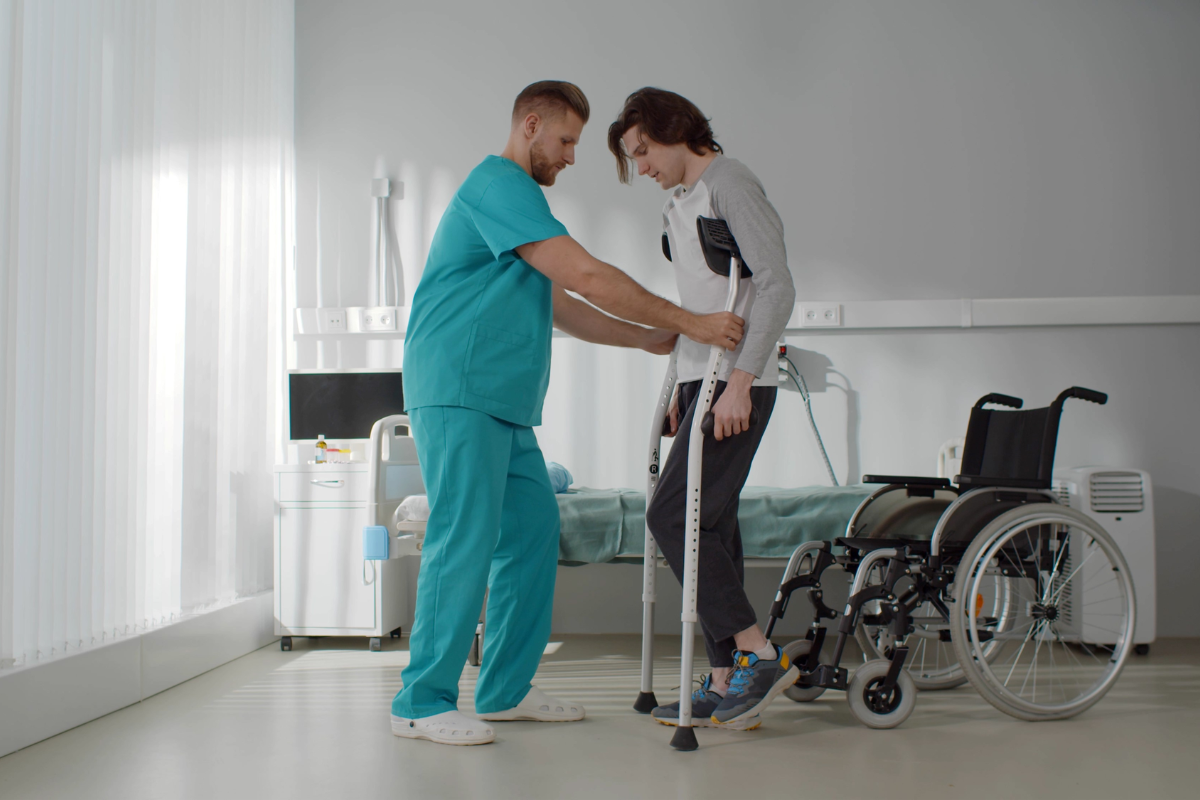
Rehabilitation plays a crucial role in achieving successful surgical outcomes. Without proper physio for surgery, muscles can weaken, joints may stiffen, and recovery may take longer.
A focused post-surgery rehabilitation plan ensures:
- Faster healing and tissue repair
- Pain reduction and swelling control
- Improved flexibility and balance
- Strengthened muscles around the operated area
- Prevention of re-injury or complications
Your recovery doesn’t end in the operation room — it begins with the right physiotherapy post surgery.
Common Surgeries That Require Rehabilitation
Dr. Niraj Parmar has extensive experience in rehabilitation following:
- Knee surgeries: ACL reconstruction, meniscus repair, total knee replacement
- Shoulder surgeries: Rotator cuff repair, shoulder stabilization, labral tear repair
- Spine surgeries: Discectomy, spinal fusion, laminectomy
- Hip replacement and arthroscopy
- Sports-related surgical recoveries
Each type of surgery requires a unique protocol and gradual progression — something we carefully plan and monitor through every phase.
Treatment Plan & Recovery Timeline
Every recovery journey is different, but a typical post-surgical physiotherapy plan includes:
- Early Phase (0–3 weeks): Pain control, gentle mobility, and swelling management.
- Strength Phase (4–8 weeks): Restoring joint range and muscle activation.
- Functional Phase (8–12 weeks): Improving coordination and balance.
- Return-to-Activity Phase (3+ months): Gradual return to sports, work, or daily movement.
Dr. Niraj provides regular progress assessments and modifies the plan as your body heals, ensuring maximum safety and results.
Our Approach
- Individualized Recovery Plan: Customized physio for surgery protocol based on your specific procedure and personal goals
- Phased Progression: Structured advancement from pain management to functional training
- Integrated Techniques: Combining manual therapy, therapeutic exercises, and modality support
- Continuous Monitoring: Regular assessment of healing progress and adjustment of treatment intensity
- Prevention Focus: Strategies to avoid complications and prevent re-injury during recovery
Who Can Benefit
- Patients recovering from orthopedic surgeries
- Sports professionals returning to competition
- Individuals regaining mobility after joint replacement
- Workers returning to physically demanding jobs
- Anyone seeking to optimize their surgical recovery
- Try This at Home
Master Dynamic Single-Leg Stability
You’ve practiced standing still on one leg. Now, let’s make your balance functional and powerful by adding movement!
This video is your next step: Dynamic Single-Leg Balancing.
Why Dynamic Balance?
Life isn’t static! Dynamic balance prepares you for real-world activities like walking on uneven ground, climbing stairs, or reaching for something while standing. It challenges your ankles, knees, and core to work together as a team.
What You’ll Learn in This Video:
Single-Leg Reach: Tap your lifted foot forward, to the side, and back. This builds stability in all directions.
Arm Movements: Learn how moving your arms (reaching across your body, overhead) dramatically increases the challenge for your core.
Head Turns: A simple turn of your head can disrupt your balance—training your vestibular system for better overall stability.
Introduction to Mini-Squats & Hinges: Safely add small knee bends and hip hinges on one leg to build leg strength and control simultaneously.
Get Ready to Practice at Home:
All you need is a chair or wall for occasional support and a clear space. We’ll start with simple movements and show you how to progress safely.
- Testimonials
Patient Testimonials
Real stories from patients who trusted Dr. Niraj Parmar with their recovery
📍 Hiranandani Gardens, Powai, Mumbai
📞 +91 86570 34041